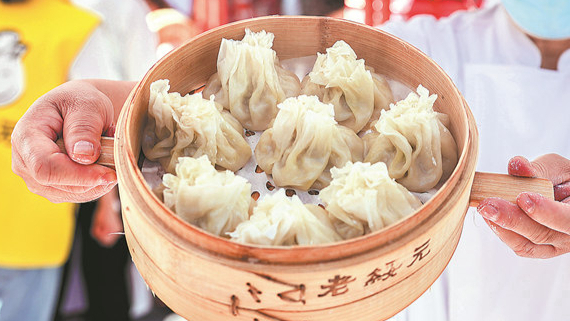
Shao Mai
Introduction
Shao mai, also known as siew mai, is a kind of steamed dumplings that has gained widespread popularity across various regions of China and beyond. This iconic dish is characterized by its unique flower-like shape, thin crystal wrappers, and savory fillings, which vary depending on regional preferences. Originating from China, shao mai has become a staple in Chinese cuisine, particularly in dim sum culture, and is celebrated for its delicate craftsmanship and flavorful taste.
The origins of shao mai can be traced back to different regions of China, where it has evolved to reflect local culinary traditions. In Hohhot, Inner Mongolia autonomous region, shao mai is a signature dish, featuring thin wrappers and mutton fillings that are often paired with brick tea. In Yangzhou, Jiangsu province, a variation known as "Jade Shao Mai" is a hallmark of Huaiyang cuisine, renowned for its refined preparation methods. Meanwhile, in Guangdong province, shao mai is a quintessential part of Cantonese dim sum, often incorporating luxurious ingredients like crab roe or shrimp.
Shao mai's enduring appeal lies in its versatility and the artistry involved in its preparation. From the meticulous knife skills required to create the wrappers to the harmonious blend of flavors in the fillings, shao mai exemplifies the essence of Chinese culinary craftsmanship. Whether steamed or pan-fried, this dish continues to captivate diners with its intricate presentation and delectable taste.
Preparation
Ingredients
The ingredients for shao mai vary depending on the region and personal preferences, but the basic components remain consistent. The fillings typically include a combination of minced meat, vegetables, and seasonings, while the wrappers are made from a thin dough.
Cooking Method
The preparation of shao mai involves several steps, from mixing the filling to shaping and steaming the dumplings. Below is a step-by-step guide to making traditional shao mai:
First, you need to create the delicious filling that will be the heart of your shao mai. This step requires careful preparation to ensure a flavorful and satisfying center.
Next, it's time to shape the dumplings. Begin by placing a generous spoonful of the filling right in the middle of a dumpling skin. Gently create a well using your thumb and index finger, and carefully push the dumpling into the palm of your hand to mold it into the classic "barrel" shape that is characteristic of shao mai. Then, press the sides of the dumpling firmly against the filling, using a tiny amount of water as "glue" if necessary to help them stick together.
Now comes the steaming process. Carefully arrange the shaped shao mai in a bamboo steamer, making sure that they are not touching each other to allow for even cooking. For a touch of color and visual appeal, top each dumpling with a small amount of finely diced carrots. Steam the shao mai over rapidly boiling water for approximately 12 to 15 minutes, or until they are thoroughly cooked through.
Finally, it's time to serve your freshly made shao mai. Present them hot, allowing your guests to enjoy their warmth and aroma. Offer a selection of dipping sauces, such as soy sauce, chili oil, or any other complementary sauces, to enhance the flavor and cater to individual preferences.
Regional Variations
Northern China
In Northern China, particularly in Hohhot, Inner Mongolia, shao mai is a beloved local specialty. The Hohhot-style shao mai is distinct for its thin crystal wrappers and mutton fillings, which reflect the region's nomadic heritage and reliance on lamb as a primary protein source. This version is often enjoyed as a breakfast dish, paired with brick tea. The wrappers are typically made from Bayannuur wheat, while the lamb comes from Xilin Gol, and the leeks are sourced from Tumed Left Banner, creating a regional symphony of flavors.
Hohhot's shao mai is known for its generous fillings, with 50 grams of dough yielding eight dumplings, each stuffed with nearly five times the amount of filling. This traditional dish has given rise to a bustling downtown street in Hohhot, lined with shao mai restaurants catering to locals and tourists alike.
Yangtze River Delta
In the Yangtze River Delta region, particularly in Yangzhou, shao mai is an integral part of Huaiyang cuisine, one of China's four most famous culinary traditions. The Yangzhou-style shao mai, often referred to as "Jade Shao Mai," is celebrated for its delicate preparation and refined flavors. This version is typically served in traditional teahouses like Fuchun Teahouse, which has been a culinary landmark in Yangzhou since 1885.
The fillings for Yangzhou-style shao mai often include a combination of minced pork, shrimp, and vegetables, seasoned with Huaiyang-style spices. The dish is known for its elegant presentation and is often included in dim sum breakfast offerings alongside other local delicacies like soup buns and spring noodles.
Guangdong Province
In Guangdong province, shao mai is a quintessential component of Cantonese dim sum culture. Cantonese-style shao mai, also known as "siew mai," features a distinctive yellow wrapper and a filling made from minced pork, shrimp, and water chestnuts. Luxurious versions may include crab meat or a topping of crab roe, though modern variations often use Japanese flying fish roe (tobiko) as a substitute.
Cantonese shao mai is typically served in bamboo steamers as part of a larger dim sum spread, accompanied by a variety of teas. The artistry of Cantonese dim sum chefs is evident in the intricate shapes and vibrant colors of the dumplings, which are designed to "touch the heart," as the term "dim sum" suggests.
Shao mai, with its rich history and regional diversity, continues to be a cherished dish in Chinese cuisine. Whether enjoyed in the bustling streets of Hohhot, the historic teahouses of Yangzhou, or the vibrant dim sum restaurants of Guangdong, shao mai embodies the artistry and cultural heritage of China's culinary traditions.








